



This programme aims to improve girls’ and women’s access to health and education and awareness of their rights to healthy living and an equal education.
The community-based organisation partners identified low school attendance by girls as a major problem in their communities, with many girls dropping out of school at age 15. Women’s access to health care and education impacts their ability to take part in meaningful economic activities.
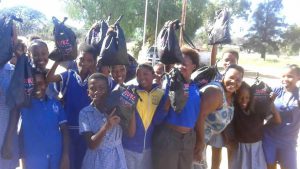
DOCKDA’s Girls’ and Women’s Rights to Health and Equal Education has a two-pronged focus:
- capacity building by means of training, skills development and mentoring of local community based organisations (CBOs) after school programmes, holiday programmes, Youth Groups and Girl’s Clubs
- awareness campaigns and community dialogues to address Sexual Reproductive Health Rights
- promoting the creation of safe spaces for girl’s and women, safe house, access to psycho-social support from social services, counselling and disaster relief for vulnerable households
- providing micro-grants to after school programmes, Youth Groups, holiday programmes, Girl’s Clubs and donation of goods and services to these projects
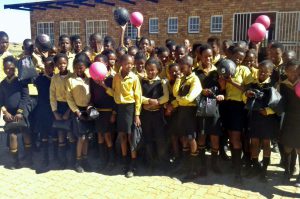
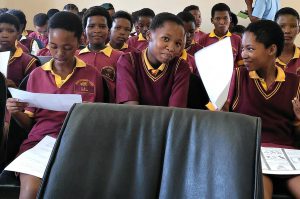
Our Programmes
Women’s Leadership Programme
Providing assistance and support to women-led community based organisations in identifying their assets and building their capacity in order to bring about sustained change in their communities. More …
Girls’ and Women’s Rights to Health and Equal Education
Aimed at improving girls’ and women’s access to health and education, and awareness of their rights to healthy living and an equal education. More…
Food Security And Wellness
This programme aims to enable community based organisations (CBO’s) to provide a sustainable source of vegetables to the vulnerable patients that they serve. More…
Gender Based Violence Prevention and Response Programme
This programme aims to strengthen the fight against Gender Based Violence (GBV) and Gender Inequality by providing awareness and resources to children, youth, educators, parents, community based organisations, social services and community members of both genders on what GBV is and how to stop it. More…