Goal 1: End poverty in all forms everywhere
The COVID-19 pandemic saw many persons in the informal economy losing their source of income. The Kuruman region has experienced two climate related severe events during 2021 with floods during the summer rainfall period and runaway fires in grazing areas during the dry winter months. As an emergency response DOCKDA provided vulnerable and poor households with food parcels and food vouchers which could be cashed in at local spazas (small shops/grocery outlets in the community).
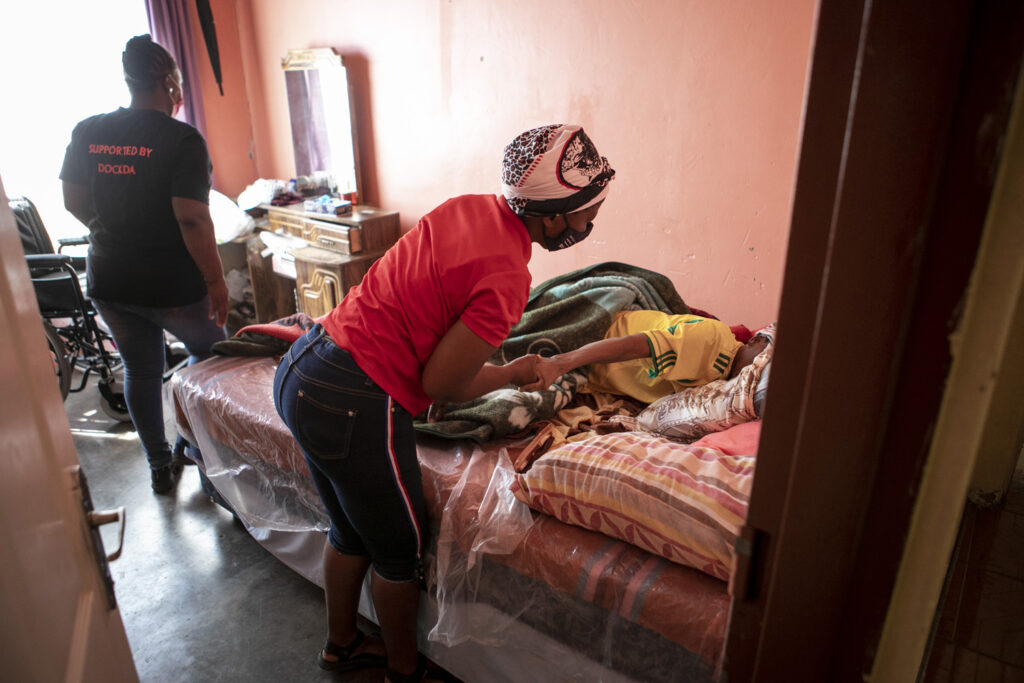
Community based organisations used the grant making funds received to pay stipends to home based carers/community care workers. Some community care workers receive a small stipend from the national government’s Department of Health. These payments are often sporadic and payments have sometimes not been received during the COVID-19 pandemic even though the care workers have been attending to their home based care patients throughout the pandemic. Other community care workers work as volunteers helping with the food gardens, feeding schemes or after school clubs. By paying the community care workers a stipend gave some economic relief and reduced the exposure and vulnerability of these households during these times of crisis.
The long term vision would be to assist community based organisations to secure long term funding towards paying the community care workers a consistent living wage. This income will see poor and vulnerable households be more resilient to future economic shocks.
Goal 2: End hunger, achieve food security and improve nutrition and promote sustainable agriculture.
The pandemic has exacerbated world hunger. DOCKDA provided food parcels and food vouchers to the most vulnerable households affected by both the COVID-19 pandemic and natural disasters.


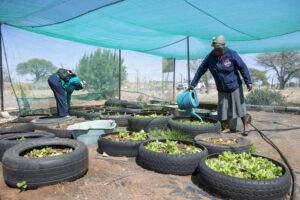
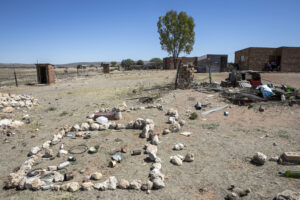
Food garden at Tirisanommoggo Home Based Care – thriving in a harsh, dry climate
With the grant making funds received the community based organisations were able to provide food parcels to vulnerable households and prepare meals at their feeding schemes to distribute in their communities. Organisations that have food gardens invested some of the grant making funds received into improving their food garden infrastructure and water supply which has meant food gardens that are providing a better yield of crops. An improvement in crops means more availability of fresh produce for food parcels and for preparing nutritious meals for feeding schemes.
Due to the increase in unemployment more and more households are extremely vulnerable to food insecurity. In some cases, households have seen the deaths of all the breadwinners due to COVID-19. The surviving children are left with no source of income and are now relying on the community based organisations to provide them with meals from a feeding scheme or with food parcels. The demands for the services that the community based organisations provide in their communities have grown exponentially over the last 18 months. The community care workers are stretched emotionally and physically to meet the needs in their communities. DOCKDA will continue to look for new opportunities to support the community based organisations sustainable food gardens and is exploring funding opportunities/projects that are making use of renewable energy for cooking of meals for feeding schemes, solar powered water reticulation for food gardens and programmes that strengthen capacity for adaption to climate change, extreme weather, drought, flooding and other disasters that will improved land and soil quality and reduce desertification in the Northern Cape region.
Goal 3: Ensuring healthy lives and promote well-being for all at all ages
Target compliance with TB and AIDS antiretroviral treatment
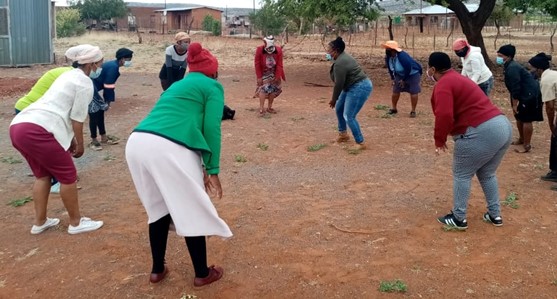
Through the grant making received from DOCKDA community based organisations have met the target of compliance of TB and AIDS antiretroviral treatment. Home based carers are able to do their care work within communities and have seen to their patients adhering the AIDS anti-retroviral treatment and TB treatment. With the COVID-19 pandemic many people are scared to visit health care facilities to seek treatment or to go for their routine checkups. The home based carers have gained valuable experience seeing how the community was impacted by the HIV epidemic from the early 2000’s. They have the skill to speak with their patients and other community members to raise awareness of how to prevent the spread of the coronavirus and where to seek help. Home based carers collected medication for their patients from the clinic and check that patients adhere to taking their TB medication or HIV antiretroviral treatment. Home visits have been a challenge as most patients are poor and do not have access to masks and sanitizers. The community based organisations used some of the funding they received as grants to purchase PPE for themselves and for their patients to protect both their health and that of their patients.
The target of strengthening the prevention and treatment of substance abuse including narcotic drug abuse and harmful use of alcohol including interventions that are psychosocial, rehabilitation and after care services for substance abuse disorder and harmful abuse of alcohol were met by DOCKDA’s GBV prevention programmes. Training has been given to the community based organisations as to how to recognize abuse, intervene with the individual who is misusing drugs or alcohol, offer support to the individual and household, offer psychosocial support through support groups that meet regularly and hold awareness campaigns throughout the communities aimed children, youth and adults.
Goal 4: Ensure inclusive and equitable quality education and promote lifelong learning opportunities for all
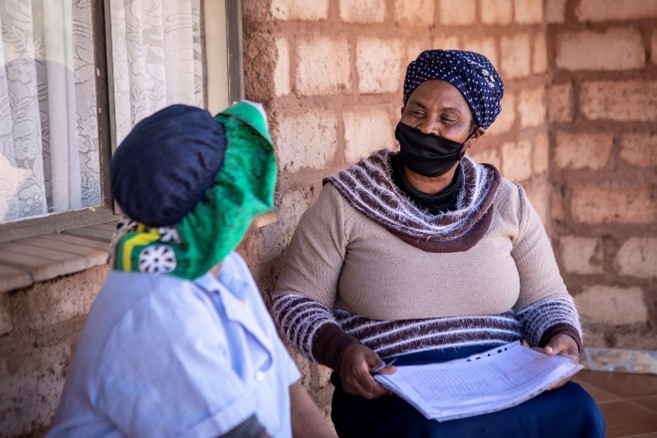
Target 4.4 Increase the number of youth and adults who have relevant skills, including technical and vocational skills, for employment, decent jobs and entrepreneurship
Through training that DOCKCDA offers community care workers they are receiving relevant vocational training to develop their skills. Previously participants in DOCKDA’s training have later been employed as counselors at the clinic, have been employed by the governmental Department of Social Development. Community care workers are constantly learning new skills to be able to deliver better services to their communities. Many community care workers work as volunteers as the role of the workers becomes recognized and valued (also target 5.4 and 8.5) these roles should receive more recognition through public services, infrastructure support and social protections.
Goal 5: Achieve gender equality and empower all women and girls
The DOCKDA Gender Based Violence Prevention and Response programme aims to raise awareness of gender inequalities and end all forms of discrimination against women and girls (target 5.1). Through awareness events and campaigns aimed at the wider community and skills development training of community care workers in GBV prevention programmes the target to eliminate all forms of violence against women and children is achievable (target 5.2).
The grant making funding which community based organisations have used to pay community care workers a stipend and used to improve their infrastructure has elevated the profile of community based organisations and their role in communities. Communities are now recognizing the value of the care that these organisations give. For some time, the community care workers were shunned as unskilled workers, as they receive more training, the quality of their service improves and the communities recognize the value they bring these carers are getting more and more recognition in their communities and are being included in forums to represent the interests of their communities. These are steps towards target 5.4 recognizing and valuing unpaid care work and providing infrastructure for these workers as well as target 5.5 which ensures women’s full and effective participation and equal opportunities for leadership and decision making.
Small steps have been made in empowering women community care workers with the use of technology. A number of opportunities still lie ahead to enhance women’s use of technology, information technology and can be used to empower women further to reach target 5.b. and target 9.c.
Goal 8: Promote sustained, inclusive and sustainable economic growth, full and productive employment and decent work for all
By community based organisations being able to pay community care workers a stipend this works towards achieving target 8.2 of high levels of economic productivity of labor intensive sectors and target 8.5 of full and productive and decent work all women and men and equal pay for equal work.